

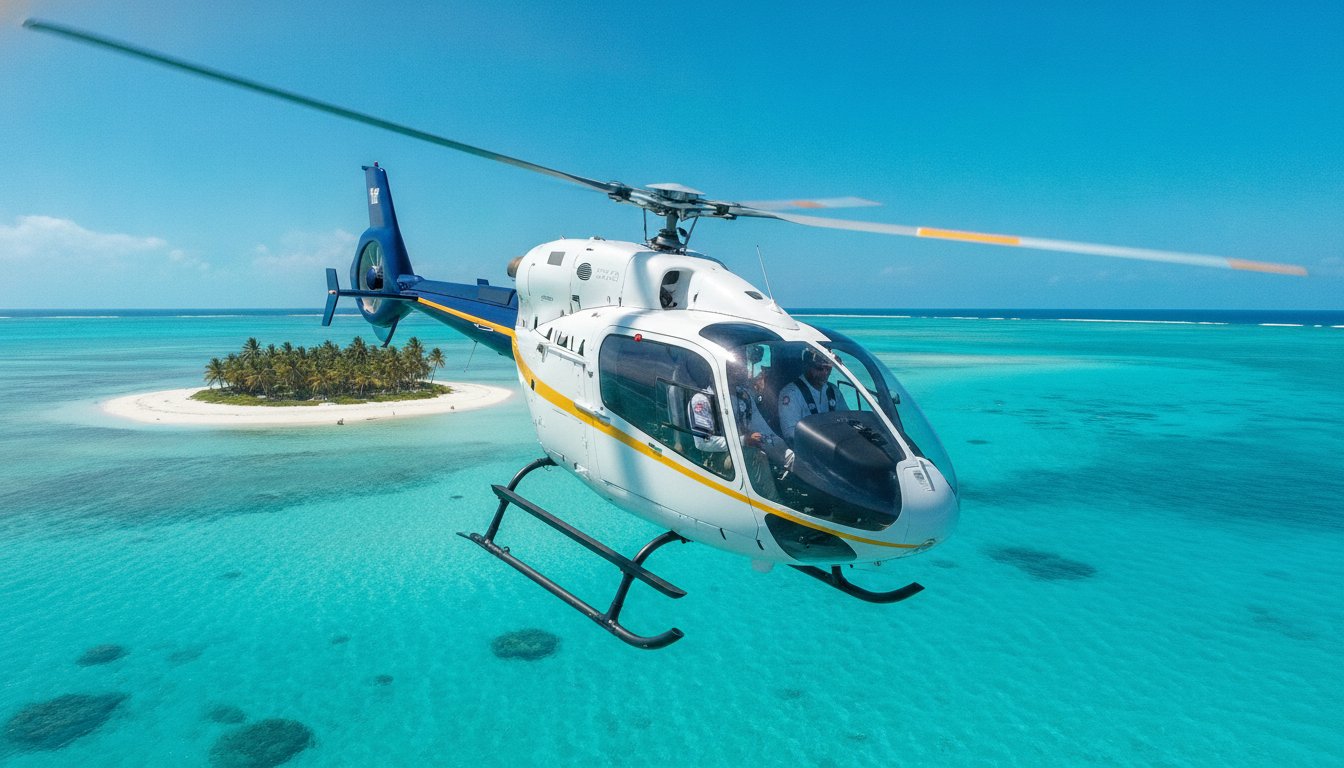
A single medical evacuation claim from the Bahamas reached $142,000 in 2025, a figure that underscores the staggering financial risk of a medical crisis in the islands. When a critical emergency occurs, a Bahamas to Florida helicopter transfer is more than just a flight. It’s a specialized medical bridge that connects remote island geography with advanced U.S. trauma systems. You shouldn’t have to face the fear of being stranded without access to life-saving care or the anxiety of navigating complex international logistics alone.
We recognize that the confusion over customs coordination and the threat of high out-of-pocket costs can paralyze decision-making during a crisis. This guide details the critical logistics, medical advantages, and precise coordination required for rapid helicopter transfers. You’ll gain a clear understanding of how elite medevac operations function, why point-to-point speed is essential for patient outcomes, and how to secure a plan that ensures you’re never left liable for the full cost of an emergency flight. Understanding these systems now provides the confidence you need when every second counts.
Key Takeaways
- Identify why helicopters are the superior choice for critical care transfers from remote islands where runways are unavailable.
- Understand the advanced life support capabilities of a Bahamas to Florida helicopter transfer, including specialized medical equipment and expert crews.
- Learn how point-to-point transport optimizes patient outcomes by eliminating the need for time-consuming ground ambulance transfers.
- Gain insight into the complex logistics of international customs clearance and coordinated arrivals at Florida trauma centers.
- Discover how a membership-based model secures rapid response and eliminates out-of-pocket costs through direct insurance billing.
What Is an International Medical Flight via Helicopter?
An international medical flight is a highly coordinated airborne critical care transfer. It’s designed to move unstable or critically ill patients across borders under constant clinical supervision. Unlike a standard private charter, professional Air medical services function as mobile intensive care units. For patients requiring a Bahamas to Florida helicopter transfer, this means receiving Advanced Life Support (ALS) while in transit. This specialized care involves continuous monitoring, ventilator support, and emergency medication administration. It’s a disciplined operation where aviation logistics meet high-level medicine.
Many Bahamian islands lack the infrastructure for traditional fixed-wing aircraft. Runways are often distant or entirely absent on smaller cays. Helicopters solve this logistical hurdle. They provide the agility to land directly at a local clinic or a designated clearing, which eliminates the need for multiple ground ambulance transfers. This direct approach is the most efficient way to bridge the gap between a remote island and a mainland trauma center. It’s about removing every possible barrier between the patient and the care they need.
The Critical Need for Speed and Access
In emergency medicine, the “Golden Hour” is the definitive standard. This concept dictates that trauma patients have the highest chance of survival if they receive specialized care within 60 minutes of the injury. A Bahamas to Florida helicopter transfer maximizes this window by bypassing the delays of airport security, taxiing, and runway queues. Direct transport to Florida trauma centers ensures that patients move from the point of injury to the specialized facility with zero wasted movement. This speed isn’t a luxury; it’s a clinical necessity for stroke, cardiac, or traumatic injury victims. When time is the enemy, agility is the solution.
Regulatory Standards for International Medevac
Operating medical flights across international borders requires strict adherence to FAA and international aviation safety protocols. Safe maritime medical transport demands dual-pilot operations to manage the complexities of over-water navigation and communication. Every mission must utilize aircraft equipped with advanced avionics, including 4-axis autopilot and GPS for precise positioning. Beyond aviation, the medical equipment onboard must meet rigorous ALS standards. This includes cardiac monitors, defibrillators, and oxygen systems that are flight-certified and ready for immediate deployment. These standards distinguish professional medevac providers from generic air transport services. It’s a level of meticulous preparedness that saves lives.
Logistics of a Bahamas to Florida Helicopter Transfer
The activation of a Bahamas to Florida helicopter transfer begins the moment the emergency request is received. Within minutes, the logistics team initiates a dual-track response. While pilots calculate weight, balance, and maritime weather patterns, the clinical team prepares the specialized medical suite. This rapid mobilization is essential for maintaining the “Golden Hour” of trauma care. Once the flight plan is filed and customs pre-clearance is initiated, the aircraft is wheels-up, moving directly toward the patient’s location without the delays associated with airport ground infrastructure.
Managing patient stability during a Bahamas to Florida helicopter transfer requires a disciplined approach to clinical care. The team, typically comprised of a critical care paramedic and a highly experienced pilot, maintains constant vigilance throughout the maritime crossing. Onboard, the environment mirrors a hospital intensive care unit. Medical crews utilize defibrillators, multi-parameter heart monitors, and advanced oxygen systems to manage high acuity medical flight patients. When deciding on the right transport method, understanding the Helicopter vs. Fixed-Wing Air Ambulance distinction is vital for time-sensitive emergencies. Helicopters provide the necessary agility for these short-range, high-stakes missions.
Advanced Life Support and Avionics
Precision is the hallmark of elite medical flight operations. Specialized helicopters utilize advanced avionics, including 4-axis autopilot and dedicated maritime GPS systems, to ensure stable flight paths over open water. These systems allow the pilot to focus on safety while the clinical team delivers uninterrupted care. High-acuity care in a helicopter environment is the continuous delivery of life-sustaining medical interventions within a confined, mobile clinical space. Every piece of equipment, from ventilators to infusion pumps, is flight-certified and secured for immediate use during transit.
Inter-Hospital Transfer Protocols
Successful outcomes rely on seamless coordination between the sending island clinic and the receiving Florida trauma center. Our team manages the complex inter-hospital transfer documentation required for international crossings. This includes securing medical records, patient identification, and insurance authorizations before the aircraft even lands. Constant communication between the flight crew and the receiving facility ensures the trauma team is briefed and ready for the patient’s arrival. If you’re planning for potential emergencies, exploring membership options can streamline this entire logistical chain.
Helicopter vs. Fixed-Wing: Strategic Advantages for Island Rescue
Choosing the right aircraft is a tactical decision that directly impacts clinical outcomes. While fixed-wing planes offer speed over long distances, they are tethered to the availability of functional runways. In a Bahamas to Florida helicopter transfer, the primary advantage is point-to-point transport. This eliminates the “double-loading” process where a patient must be moved from a clinic to a ground ambulance, then to a plane, and finally back into another ambulance in Florida. Each transition increases the risk of instability and consumes precious time. Rotary-wing aircraft deliver a seamless, bed-to-bed solution that keeps the patient in a controlled, clinical environment from the moment of pickup until they reach the trauma bay.
Modern medical helicopters also provide a superior environment for high acuity medical flight operations. Advanced rotor systems and vibration-dampening technology ensure a smoother flight compared to older airframes. This reduction in vibration is critical for patients with spinal injuries, head trauma, or fragile hemodynamics. By landing directly on beaches, private vessels, or remote island clearings, helicopters function as an agile extension of the hospital. They turn any open space into a launchpad for life-saving intervention.
Landing in Remote and Inaccessible Locations
The Bahamian archipelago consists of hundreds of cays and islands, many of which lack paved airstrips. Fixed-wing aircraft are physically incapable of reaching these locations. When a medical crisis occurs on a remote island, relying on a plane often means a dangerous and slow boat transfer to the nearest airport. Helicopter agility saves critical minutes by landing exactly where the patient is located. This capability is the definitive reason why many choose to read about the advantages of helicopter medevac in the Bahamas before finalizing their travel plans. Precision access is not an option; it’s a requirement for island safety.
Comparing Total Mission Duration
Total mission duration is often misunderstood. While a fixed-wing plane might fly faster in the air, its “bed-to-bed” time is frequently longer due to the logistical friction of ground transfers and airport operations. A Bahamas to Florida helicopter transfer bypasses these bottlenecks. By flying a direct line from the island clinic to the hospital helipad, the total time a patient spends in transit is significantly reduced. This efficiency makes helicopters the preferred choice for patient transfer to Florida trauma centers. While helicopters are more sensitive to extreme weather than large jets, their operational range is perfectly suited for the maritime crossing between the Bahamas and the Florida coast. They provide the most direct route to survival.

Navigating Customs and Florida Trauma Center Coordination
Executing a Bahamas to Florida helicopter transfer involves more than aviation skill. It requires navigating the complex intersection of international law and emergency medicine. While the flight itself is rapid, the logistical corridor behind it must be equally efficient to prevent delays at the border. Professional medevac operations synchronize with federal authorities and hospital trauma teams long before the aircraft enters U.S. airspace. This coordination ensures that the transition from an island clinic to a Florida trauma bay is a single, uninterrupted clinical event.
Streamlined International Entry Protocols
Emergency medical flights handle international border crossings through expedited channels. Unlike private charters that may face lengthy processing at general aviation terminals, medical transfers utilize pre-filed manifests and direct communication with U.S. Customs and Border Protection (CBP). As of January 2026, CBP maintains strict user fee schedules and documentation requirements for all arrivals. By pre-collecting member identity and enrollment data, we eliminate the need for administrative hurdles during a crisis. This proactive approach is essential because even though emergency medical services are exempt from certain regional navigation fees, they aren’t exempt from federal security protocols.
Pre-certification effectively clears the administrative path, ensuring that identity verification and clinical enrollment don’t interfere with the urgency of the flight. This meticulous preparation allows the crew to focus entirely on the patient’s stability while the ground team manages the legalities of the maritime crossing. Understanding the full scope of medical evacuation coordination is essential for anyone who wants to ensure seamless transit from a remote island to a specialized trauma center.
Direct Trauma Center Integration
The final stage of a Bahamas to Florida helicopter transfer is the direct handoff to a receiving facility. The Medical Director plays a decisive role here, evaluating the patient’s condition to determine the most appropriate Level 1 or Level 2 trauma center. This isn’t a random choice; it’s a strategic placement based on the facility’s current capabilities and the patient’s specific medical needs. Pilots communicate directly with hospital heliports to secure landing clearance, which allows the aircraft to touch down just steps away from the emergency department. This integration minimizes the handoff time that often occurs with airport-to-ambulance transfers.
Post-flight logistics involve the comprehensive transfer of medical records and flight treatment logs to the hospital’s trauma team. This ensures continuity of care as the patient moves from the helicopter’s intensive care environment to the hospital’s specialized units. To ensure this entire process is activated instantly during an emergency, it’s vital to secure your emergency medevac membership before a crisis occurs.
Securing Rapid Response Through Membership-Based Medevac
Financial volatility shouldn’t dictate the quality of your medical care. A single medical evacuation claim from the Bahamas reached $142,000 in 2025, illustrating the extreme financial risk of unmanaged emergency transport. For those without a structured plan, a Bahamas to Florida helicopter transfer often requires a massive upfront payment before dispatch. This creates a dangerous delay when minutes are most critical. Membership-based medevac removes these barriers by establishing a response that prioritizes the patient over the payment process. It’s a disciplined approach to emergency readiness.
The membership model is built on the principle of direct insurance billing. This specialized coordination ensures that the logistical and clinical costs are handled directly with your health insurer. By securing a membership, you shift the responsibility of coordination and financial risk to an elite partner. This isn’t just a utility; it’s a strategic shield for your health and your assets during a maritime medical crisis. You don’t have to navigate the complexities of international billing while in the middle of a trauma response.
Eliminating Financial Barriers to Care
The “no out-of-pocket” philosophy is the cornerstone of professional medevac membership. While the U.S. “No Surprises Act” was updated in May 2026 to limit out-of-network billing, it doesn’t compel insurers to approve every transport. If an insurer deems a flight “not medically necessary,” the patient remains liable for the full cost. Membership provides a critical layer of protection by accepting insurance reimbursement as payment in full for members. This eliminates the anxiety of receiving a life-altering bill after a successful recovery. It’s a concierge-level benefit that ensures your focus remains on healing rather than financing.
Choosing the Right Membership Plan
Coverage should reflect your specific lifestyle and travel patterns. Tourists and seasonal visitors often benefit from short term medevac coverage, providing elite protection for the duration of a single trip. In contrast, annual plans offer a permanent safety net for second-home owners, expats, and Bahamian residents who require frequent access to Florida’s medical infrastructure. Activating your benefits is a proactive step that must be completed before an emergency occurs. This ensures that your identity, medical history, and insurance data are already in the system, allowing for an immediate Bahamas to Florida helicopter transfer the moment a call is received. Preparedness is the ultimate guardian of peace of mind.
Mastering Your Emergency Response Strategy
A proactive approach to island safety transforms a potential crisis into a manageable event. You’ve seen how a Bahamas to Florida helicopter transfer provides the only direct link between remote island cays and mainland trauma care. By eliminating ground ambulance transfers and streamlining international customs protocols, this specialized service preserves the “Golden Hour” when patient outcomes are most at risk. Meticulous preparation is the difference between a life-altering delay and a rapid clinical victory.
Tropic Air Rescue offers the elite protection you need through an Advanced Life Support (ALS) equipped fleet and concierge coordination with Florida trauma centers. Our membership model ensures direct billing to health insurers, allowing you to focus on recovery rather than financing. Secure your peace of mind with a Tropic Air Rescue membership today. Don’t leave your safety to chance. It’s time to establish a professional safety net that’s always ready, agile, and direct.
Frequently Asked Questions
Can a helicopter fly directly from the Bahamas to Florida?
Yes, specialized medevac helicopters are designed for over-water maritime crossings using advanced avionics and 4-axis autopilot systems. These aircraft maintain high stability across the Florida Straits, providing a direct link from island clinics to mainland trauma centers. This eliminates the need for the multiple ground ambulance transfers required by fixed-wing flights, ensuring the patient remains in a controlled clinical environment throughout the journey.
How long does a helicopter medical transfer take between the islands and Florida?
Flight times vary based on the specific island location, but most transfers are completed within 60 to 90 minutes. This speed is critical for trauma patients requiring immediate intervention at specialized facilities. The total mission time is further reduced because helicopters land directly at hospital helipads, bypassing the ground ambulance delays that are common with fixed-wing flights and airport operations.
Will my health insurance cover an international medical flight?
Coverage depends on your specific policy and the carrier’s determination of medical necessity. While some U.S. health plans include air ambulance benefits, they often require the patient to pay upfront and seek reimbursement later. Membership models solve this by utilizing direct insurance billing to eliminate the risk of high out-of-pocket expenses. This ensures that the financial burden doesn’t interfere with the speed of your emergency medical response.
What medical equipment is available on a medevac helicopter?
Every aircraft functions as a mobile intensive care unit equipped with Advanced Life Support (ALS) technology. This includes multi-parameter heart monitors, defibrillators, ventilators, and specialized infusion pumps. These tools allow the critical care crew to maintain patient stability throughout the duration of the Bahamas to Florida helicopter transfer. The equipment is flight-certified and ready for immediate deployment to manage high-acuity patients during the maritime crossing.
Do I need a membership for a Bahamas to Florida helicopter transfer?
Membership is required to access the concierge benefits of direct insurance billing and no out-of-pocket costs. While non-members might seek other transport, they are typically required to provide full payment before an aircraft is dispatched. Securing an annual or short-term membership ensures that the activation process is immediate. It allows the team to focus on clinical logistics rather than financial authorizations during a crisis.
What happens with customs during a medical emergency flight?
Medical flights utilize expedited international entry protocols coordinated with U.S. Customs and Border Protection. Flight manifests are filed in advance, and medical necessity allows the aircraft to land directly at hospital helisites rather than stopping at general aviation terminals for processing. This specialized coordination ensures that border security requirements don’t interfere with the urgency of patient care or create unnecessary delays in transit.
Can helicopters land at remote resorts or private yachts?
Yes, the primary advantage of rotary-wing aircraft is their ability to land in locations inaccessible to traditional planes. This includes remote island clearings, resort helipads, and private vessels with appropriate landing decks. This point-to-point capability is the most efficient way to evacuate a patient from a remote archipelago location without requiring a slow boat transfer to the nearest functional runway or airport.
What is the difference between a medical flight and a private charter?
A medical flight is a clinical operation, whereas a private charter is a transportation service. Medevac helicopters carry specialized ALS equipment and are staffed by critical care paramedics and flight nurses trained in aviation medicine. A Bahamas to Florida helicopter transfer is focused on patient stabilization and trauma center integration, providing a high level of intensive care that a standard luxury charter simply cannot offer.