

A single medical evacuation claim from the Bahamas to Florida reached $142,000 in 2025. For families caught in a remote island emergency, this figure represents more than just a bill; it is a source of profound anxiety during a life-threatening crisis. You understand that when a trauma occurs, the logistics of a Bahamas to Florida patient transfer can feel insurmountable. The complexity of international customs and the fear of six-figure invoices often paralyze decision-making when speed matters most.
This 2026 operational guide provides the blueprint to master international medical evacuation with precision and composure. You’ll learn how to secure rapid, bedside-to-bedside transport while eliminating the financial friction of out-of-pocket costs. We’ll detail the essential coordination between medical facilities, the tactical advantages of helicopter evacuation for islands without runways, and the specific 2026 regulatory requirements for a seamless international transition. By the end of this briefing, you’ll have the knowledge to navigate a high-stakes evacuation with total confidence.
Key Takeaways
- Understand why a Bahamas to Florida patient transfer is best managed as a coordinated airborne ICU mission to ensure rapid access to Level I trauma centers.
- Identify the unique logistical hurdles of the “Out Islands” where remote geography requires specialized inter-island coordination.
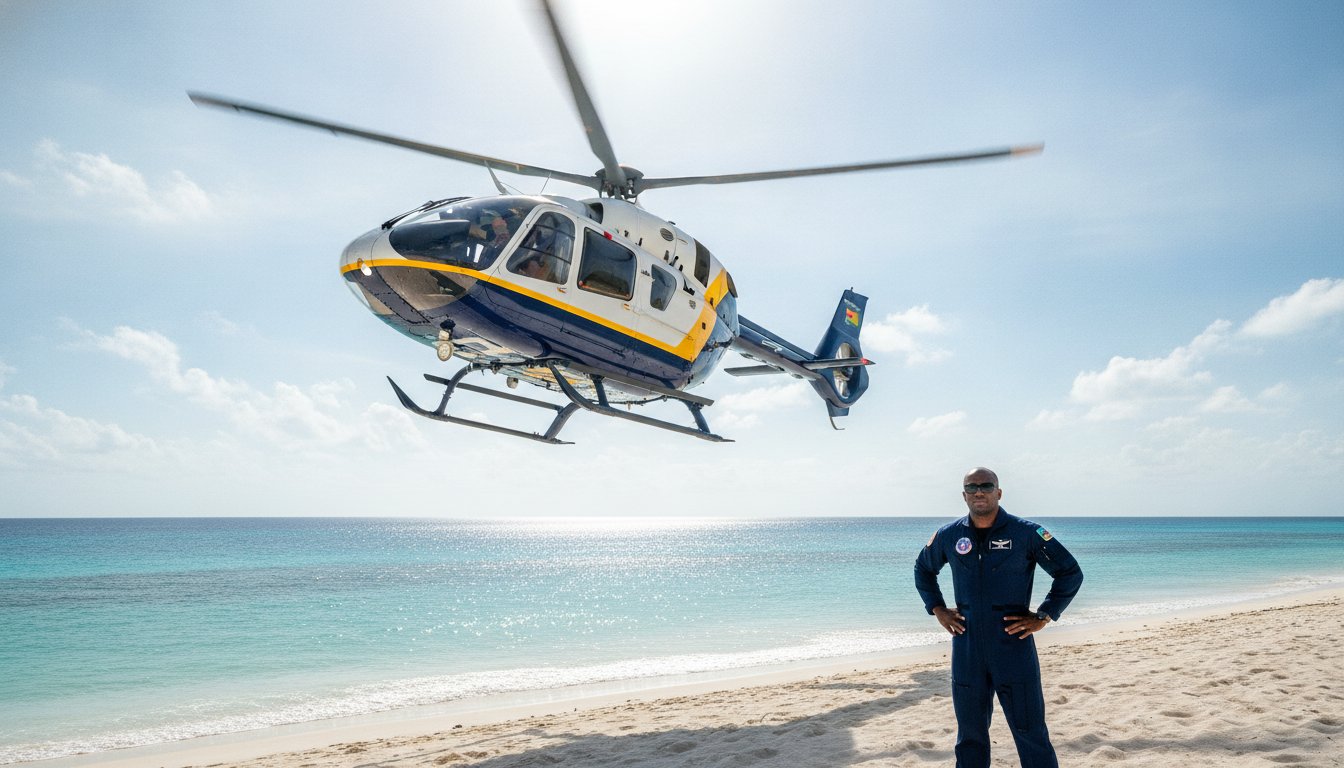
- Learn why helicopters provide a critical bedside-to-bedside advantage by landing directly at remote sites without the need for traditional runways.
- Master the sequence of coordination required between international medical facilities to ensure zero delays during customs and immigration clearance.
- Discover how an Annual Membership acts as a financial shield, facilitating direct insurance billing and eliminating the risk of six-figure medical flight bills.
Understanding the Bahamas to Florida Patient Transfer
A Bahamas to Florida patient transfer is a high-precision, airborne ICU mission. It isn’t a mere transport; it is a clinical bridge designed to sustain life between remote points of care and definitive medical centers. Florida serves as the regional hub for advanced trauma care, offering specialized facilities that many island locations simply don’t possess. In critical cases, clinicians prioritize the “Golden Hour,” the first 60 minutes following a trauma where rapid intervention most significantly influences patient outcomes.
Understanding the distinction between an emergency evacuation and a scheduled inter-hospital transfer is vital for families and medical staff. Emergency missions require immediate launch to stabilize a patient in a life-threatening state. Conversely, inter-hospital transfers move stable patients to Florida facilities for specialized surgeries or long-term recovery. Both utilize air medical services to bridge the geographic gap between the islands and the mainland with speed and clinical expertise.
The Critical Need for Specialized Medical Aviation
Commercial aircraft lack the pressurized environment and medical infrastructure required for high-acuity patients. Standard cabins don’t accommodate ventilators, cardiac monitors, or the high-output power requirements of life-support systems. At high altitudes, physiological stressors increase, making hospital-grade equipment essential for patient safety. Advanced Life Support (ALS) in a 2026 medical flight context represents the delivery of continuous hemodynamic monitoring, mechanical ventilation, and intensive pharmacological intervention by specialized clinicians during transit.
Regulatory Standards for International Medevac
Executing a Bahamas to Florida patient transfer requires meticulous coordination with U.S. Customs and Border Protection (CBP). Every flight must clear specific security protocols and manifest requirements before entering U.S. airspace. In 2026, FAA and international aviation standards dictate rigorous maintenance and pilot training schedules that exceed standard private aviation rules. Elite providers distinguish themselves through specific safety certifications that verify operational excellence. These protocols ensure that every mission maintains the highest level of preparedness, allowing the medical team to focus entirely on the patient’s condition during the flight.
The Role of Inter-Island Medical Transfer in Emergency Care
The first leg of a Bahamas to Florida patient transfer is often the most critical. While the flight across the Gulf Stream is direct, reaching a patient on a remote cay or an island without a functional airport presents the greatest logistical hurdle. The “Out Islands” are characterized by fragmented geography that renders traditional fixed-wing aircraft useless in many emergency scenarios. In these environments, the complexity isn’t just the distance; it’s the lack of accessibility. Navigating these remote cays requires an asset that doesn’t depend on paved runways or deep-water ports.
According to the U.S. Embassy Medical Evacuation Guidance, travelers should be aware that medical facilities in remote areas are often limited. A helicopter acts as a mobile bridge, extracting patients from local clinics and delivering them directly to the international transport aircraft or, in high-urgency cases, straight to a Florida trauma center. This capability is essential for managing trauma air transport Bahamas missions that occur far from the main hubs in Nassau or Freeport. It’s the difference between a stalled rescue and a successful extraction.
Bypassing Local Infrastructure Limitations
Many smaller islands lack the infrastructure to support large fixed-wing medical jets. Forcing a patient into multiple ground ambulance transfers to reach a distant runway increases risk and wastes precious time. Point-to-point helicopter transport eliminates these intermediate steps by landing at the clinic door or a nearby clearing. Modern aircraft utilize advanced avionics to transmit real-time vitals and patient data directly to the receiving facility in Florida while still in flight. This proactive data sharing ensures the trauma team is fully briefed before the rotors even stop turning.
Clinical Benefits of Rapid Inter-Island Response
Minimizing time spent in clinics with limited resources is the primary objective of a Bahamas to Florida patient transfer. Every minute a high-acuity patient remains in a sub-optimal clinical environment increases the likelihood of complications. Helicopter ICU transport Bahamas services maintain patient stability by providing continuous, high-level clinical supervision from the exact moment of pickup. This “no-break” chain of care is the hallmark of an elite rescue operation. For those who frequent the islands, securing an Annual Membership ensures these specialized assets are mobilized without delay, providing a vital layer of security in remote settings.
Helicopter vs. Fixed-Wing: Strategic Advantages for Island Evacuation
Choosing the right aircraft determines the success of a Bahamas to Florida patient transfer. While fixed-wing jets offer high speeds over long distances, they are bound by the logistical limitations of paved runways. In the Bahamas, where patients are often located on remote cays or private vessels, the “first mile” of the journey is the primary cause of clinical delay. A helicopter eliminates these bottlenecks by facilitating a direct, bedside-to-bedside mission. This agility makes it the superior choice for advantages of helicopter medevac in the Bahamas.
Total mission duration for a fixed-wing transfer often includes hours of ground ambulance transit to reach a functional airport in Nassau or Freeport. In contrast, a helicopter launches directly to the patient’s coordinates. This includes the ability to land on superyacht helipads, cruise ships, or private estates. By removing the need for intermediate ground transfers, helicopters provide a seamless clinical environment that doesn’t stop until the patient reaches a Florida trauma center. For missions originating in the capital, an air ambulance from Nassau to Miami represents the fastest and most clinically precise route to definitive care on the mainland. This direct approach is essential when every second influences the final outcome.
Landing Precision and Access
Helicopters are the only viable option for islands without functional airports or those with damaged infrastructure. They bypass the logistical nightmare of navigating unpaved roads or waiting for inter-island ferries. By landing directly at a resort or a private cay, the crew eliminates the “ground ambulance gap” that often stalls fixed-wing missions for several hours. This precision ensures the clinical team maintains total control of the patient’s environment from the moment they arrive on-site, providing a level of service that generic charters cannot match.
Advanced Avionics and Onboard Life Support
Modern 2026 helicopter technology rivals the ICU capabilities once reserved for fixed-wing aircraft. These airframes are equipped with advanced avionics for night operations and adverse weather, ensuring readiness in complex island environments. Specialized medical crews, trained specifically for high-stakes maritime and island rescues, operate helicopter ICU transport Bahamas systems that provide continuous life support throughout the Bahamas to Florida patient transfer. This level of sophistication ensures that even the most high-acuity patients receive elite care during every minute of the flight, maintaining hemodynamic stability from takeoff to touchdown.

How to Execute a Seamless Patient Transfer to Florida
A Bahamas to Florida patient transfer requires more than an aircraft; it demands a synchronized effort between two countries and multiple medical teams. The medical flight coordinator serves as the mission lead, overseeing every detail from the flight plan to the receiving hospital’s bed status. A primary requirement is securing an accepting physician in Florida. This specialist must agree to take over the patient’s care before the mission begins. Without this confirmation, the transfer cannot proceed, as it ensures the patient moves directly into a definitive treatment plan without delay.
For a detailed breakdown of the administrative requirements, families can review our inter-hospital transfer coordination guide. This resource explains how we bridge the gap between local clinics and international centers of excellence.
Step 1: Clinical Briefing and Stabilization
Before the rotors turn, our medical team conducts a rigorous clinical briefing with the local Bahamian facility. We assess the patient’s hemodynamic stability and respiratory status to confirm they are “fit to fly” internationally. This stage includes the secure transfer of medical records, lab results, and diagnostic imaging. Our clinicians implement stabilization protocols designed for the aeromedical environment, ensuring the patient is prepared for the physiological changes that occur during transit.
Step 2: Customs and International Logistics
Navigating international borders during a medical crisis is a specialized task. We manage all documentation for international medical repatriation, coordinating directly with U.S. Customs and Border Protection (CBP) to ensure a priority arrival. This concierge service handles immigration hurdles for both the patient and one traveling companion. We synchronize our arrival time with the Florida trauma center’s emergency room, ensuring that the receiving team is fully briefed and standing by the moment we touch down.
Step 3: The Medical Flight and Handover
During the flight, the patient remains under continuous ICU-level supervision. Upon arrival in Florida, the clinical handover is a meticulous process. Our flight crew provides a comprehensive report to the receiving trauma team, detailing every intervention and vital sign trend recorded since the initial pickup. This ensures a zero-gap transition of care. Post-flight, we provide support to family members, assisting with ground logistics and hospital orientation. If you require immediate coordination for a loved one, our team is ready to manage your Interhospital Transfer Services with professional composure.
Securing Elite Care with Tropic Air Rescue Membership
A Bahamas to Florida patient transfer shouldn’t be a gamble with your life savings or your clinical outcome. While the logistics of international rescue are undeniably complex, membership provides a streamlined path through the chaos. Tropic Air Rescue operates as a vigilant guardian for its members, positioning itself as the definitive solution for high-stakes medical emergencies. By choosing a proactive membership model, you’re not just buying a service; you’re securing a specialized partner that values meticulous preparedness and operational excellence above all else.
The Financial Shield: Direct Insurance Billing
The most significant barrier to rapid evacuation is often the requirement for upfront payment. Standard air ambulance providers frequently demand full payment before an aircraft is even dispatched. Tropic Air Rescue eliminates this friction for its members. We work directly with major health insurers to accept reimbursement as full payment, effectively removing the threat of $100,000+ out-of-pocket invoices. This financial shield ensures that clinical necessity, not bank account balances, dictates the speed of the rescue.
This protection isn’t limited to long-term residents. Tourists and seasonal visitors can access the same elite standards through short term medevac coverage. Whether you’re in the islands for a week or a season, this coverage ensures you won’t face the stress of liquidating assets during a medical crisis. We handle the complex billing logistics so your family can focus entirely on recovery.
Ready for the Unpredictable in 2026
Relying on “on-demand” charter services is a reactive strategy that often fails when time is the most critical variable. Membership offers a “quiet confidence” that only comes from knowing an elite team is always ready. Our medical and flight crews maintain the highest standards of training in maritime and island rescue, ensuring every Bahamas to Florida patient transfer is executed with professional composure. We utilize advanced life-support helicopters that bridge the gap between remote island clinics and Florida trauma centers with unmatched speed.
Securing an annual air rescue membership is the ultimate guide to Bahamas medevac security. It transforms a complex international mission into a seamless, concierge experience. Our team manages every immigration hurdle, every clinical handover, and every logistical detail. Don’t wait for a crisis to discover the limitations of standard travel insurance. Secure your elite coverage today and ensure that if the unthinkable happens, you have a private, elite partner ready to bring you home.
Mastering the International Rescue Operation
Executing a successful Bahamas to Florida patient transfer requires more than just a flight plan. It demands a specialized fleet of Advanced Life Support helicopters capable of reaching the most remote island coordinates. You’ve learned that bypassing local infrastructure limitations and mastering international customs protocols are the benchmarks of an elite rescue operation. The 2026 landscape favors those who prioritize proactive preparation over reactive crisis management.
By choosing a membership-based model, you secure a financial shield that utilizes Direct Insurance Billing to eliminate the risk of massive out-of-pocket expenses. Our team provides the concierge international coordination necessary to bridge the gap between island clinics and mainland trauma centers with zero friction. Don’t leave your family’s safety to chance when you can secure professional, disciplined care before a crisis occurs.
Secure Your 2026 Air Rescue Membership Today
Your safety in the islands is our primary mission. We remain always ready to ensure you receive the elite care you deserve.
Frequently Asked Questions
How long does a Bahamas to Florida patient transfer typically take?
A standard flight from the island region to Florida takes approximately 30 to 45 minutes. When accounting for the full mission, including pickup and clinical stabilization, total helicopter transfers are typically completed within 60 to 90 minutes. This speed is critical during the “Golden Hour” to ensure the patient reaches a Level I or II trauma center for definitive care in Florida without unnecessary delays.
What is required for a patient to clear US Customs during a medical flight?
Patients must have valid travel documentation and a completed medical manifest for review by U.S. Customs and Border Protection (CBP). Our medical flight coordinator manages all international logistics, including the declaration of medications and medical devices. In 2026, travelers should ensure medications are in original containers with English prescriptions to comply with updated protocols during the Bahamas to Florida patient transfer.
Can a helicopter land at a private residence in the Bahamas for an emergency?
Yes, our advanced helicopters can land at private estates, resorts, or even on vessel helipads if a safe landing zone is available. This point-to-point capability eliminates the need for multiple ground ambulance transfers, which often cause dangerous delays in remote settings. By landing directly at the patient’s location, we maintain clinical stability and accelerate the transition to advanced medical facilities in Florida.
How much does a medical evacuation from the Bahamas to Florida cost without membership?
Without a membership or specialized insurance, industry costs for air medical transport can be substantial. Industry data from 2026 shows that a single fixed-wing evacuation can exceed $100,000, while helicopter missions often range between $25,000 and $60,000. These figures include base fees and per-mile charges. Membership eliminates these unpredictable costs by facilitating direct billing to your health insurer with no out-of-pocket financial friction.
Will my US health insurance cover an international medical flight?
Standard health insurance policies often limit coverage to what they deem “medically necessary,” which may not include international aeromedical transport. Many providers only reimburse a fraction of the total cost, leaving families with significant financial responsibility. Our Annual Membership acts as a financial shield, as we work directly with major insurers to accept their reimbursement as full payment for our members during an emergency.
Is a medical helicopter better than a jet for island transfers?
Helicopters are superior for island transfers where runways are distant or non-existent. While jets offer higher cruise speeds, they require ground ambulances to move the patient from the clinic to an airport. A helicopter provides a Bahamas to Florida patient transfer with true bedside-to-bedside service. This direct approach reduces total mission time and minimizes the clinical risks associated with multiple patient handovers. For patients originating in the capital, a dedicated air ambulance from Nassau to Miami delivers the same bedside-to-bedside precision with the speed required to reach South Florida trauma centers.
What medical equipment is available on a Tropic Air Rescue flight?
Every flight utilizes an Advanced Life Support (ALS) equipped fleet designed to function as a mobile ICU. Our aircraft carry cardiac monitors, mechanical ventilators, infusion pumps, and emergency medications. This hospital-grade infrastructure allows our specialized medical crews to maintain hemodynamic stability for high-acuity patients. We ensure that the level of care provided in the air matches the rigorous standards of a Florida trauma center.
Can a family member fly with the patient during the transfer?
Yes, our flights typically accommodate one family member or companion to travel alongside the patient. This is subject to the aircraft’s weight and balance limitations and the patient’s clinical condition. Our concierge service manages the immigration and customs documentation for the companion, ensuring the family remains together throughout the international transition to a receiving medical facility in Florida.